- NAVERA BUILDERS PVT LTD
- +91 9207601111
- info@naverabuilders.com

Floor Area Ratio (FAR) – Meaning, Formula & Importance in Real Estate
When you are about to invest in a building or a flat, or even any property for that matter, one term perhaps keeps popping up – FAR. So, what does FAR really mean? How does FAR affect your purchase decision or even your construction plans?
Understanding the meaning of FAR and learning its implications can help you make the right decisions with respect to your purchase.
What is FAR (Floor Area Ratio)?
Floor Area Ratio (FAR) refers to the ratio of a building’s total floor area to the size of the land plot on which it’s built. In other words, FAR tells you how much construction is permissible on your given piece of land.
The FAR formula is simple and straightforward-
FAR = Total Building Floor Area ÷ Gross Plot Area
For example, let us say you have a plot of 1,000 square feet, and the permissible FAR for your area is 2. This means you can construct a building with a total floor area of 2,000 square feet. This includes all floors combined. You could build this as a two-story building with 1,000 sq ft on each floor. You can also consider a four-story building with 500 sq ft per floor. Your choice would depend on your personal preferences and the restrictions on height, if any, in your region.
Purpose of FAR: Why Does It Exist?
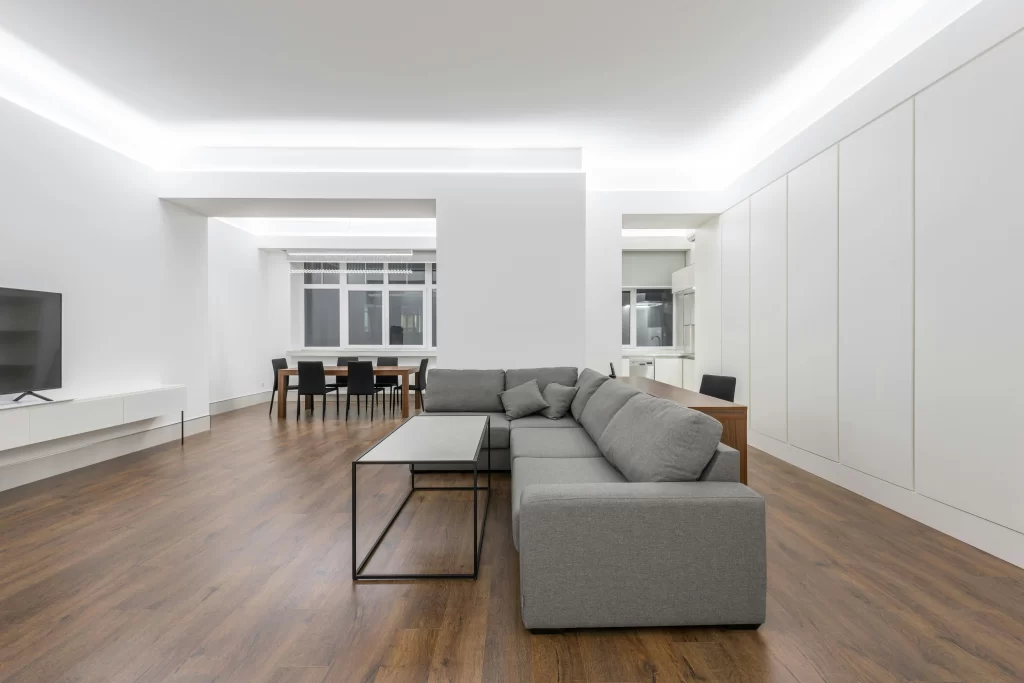
FAR is not a calculation based on bureaucratic compulsions. It is designed for specific purposes in terms of urban planning and property development.
Here are a few purposes why FAR is specified –
Controlling urban density
The FAR value determines how densely an area can be developed. A low FAR would mean sparsely developed properties. A high FAR will permit taller and wider structures. The FAR helps in controlling the population density in a given area.
Promotes sustainable development
The controlled FAR helps in reducing urban congestion. It controls the expansion of cities into agricultural land and green spaces. FAR helps create more sustainable, compact urban centers that are easier to serve with public transportation and utilities.
Manages infrastructure demands
Each building requires a water supply and other amenities. FAR can help the city planners to match the development with the proper amenities. An area with limited water or sewage capacity will have lower FAR limits to prevent infrastructure collapse.
Prevents urban sprawl
Uncontrolled urban growth can create inefficient cities with long commutes, higher pollution, and ecosystem damage. FAR can help where cities can expand upward rather than outward, preserving natural habitats and reducing transportation emissions.
Maintains the quality of life
Proper FAR can help ensure that neighborhoods maintain adequate open spaces, parks, and public areas. This contributes to better air quality, reduced traffic congestion, and a higher overall quality of life for residents.
Read More: NRI Real Estate Investment Guide
Importance of FAR in Real Estate and Urban Planning
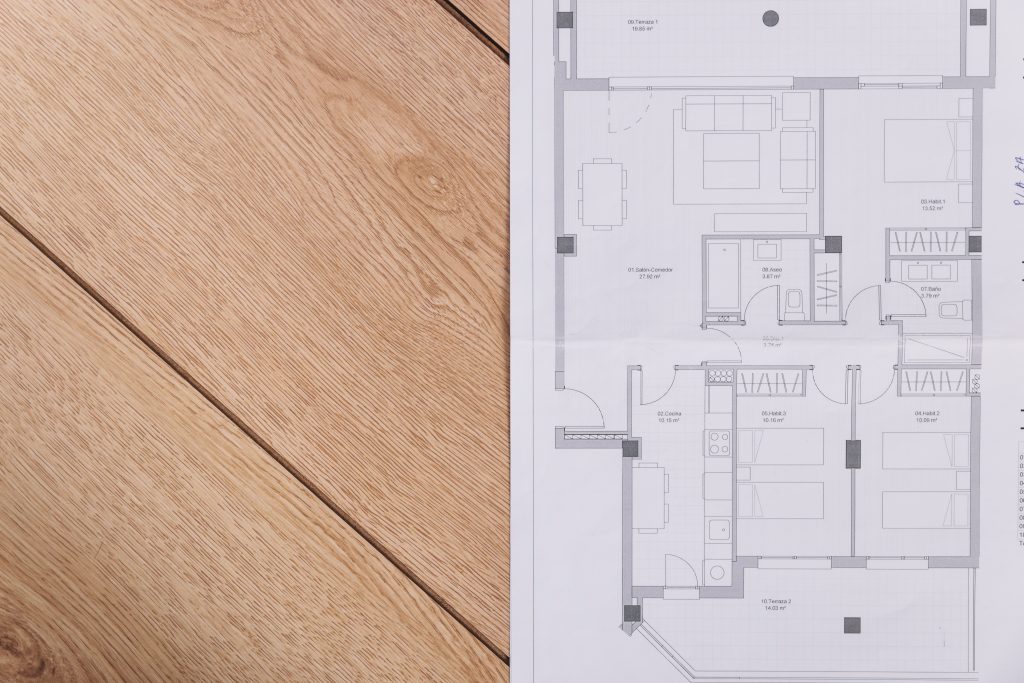
FAR does assume an important role in real estate and proper urban planning.
Here are a few ways that FAR assists urban planning.
It ensures proper land utilisation.
Land is actually a scarce resource. FAR will make sure that available land is used optimally. A property with a higher permissible FAR can generate more revenue for developers while maximizing the use of limited urban land.
It promotes sustainable urban growth.
FAR regulates density. This will help cities grow in a well-planned and sustainable manner. A higher FAR along the metro corridors is one good example here.
It balances open space and development.
The FAR regulations ensure that the plot has open space. These can include parks, gardens, or community areas. This balance between construction and open space is essential for livable, healthy cities. That should point out the real value of FAR in construction.
It improves property value.
The FAR value of a property can impact its market value. A property with a higher FAR (allowing more construction) is generally more valuable than a similar property with a lower FAR, as it offers greater revenue-generating potential.
It encourages compliance
FAR can work as a key zoning option. It makes sure that the developers and property owners respect municipal development plans.
Read More: Home Loan Tax Deductions
Why is FAR Important in Real Estate?
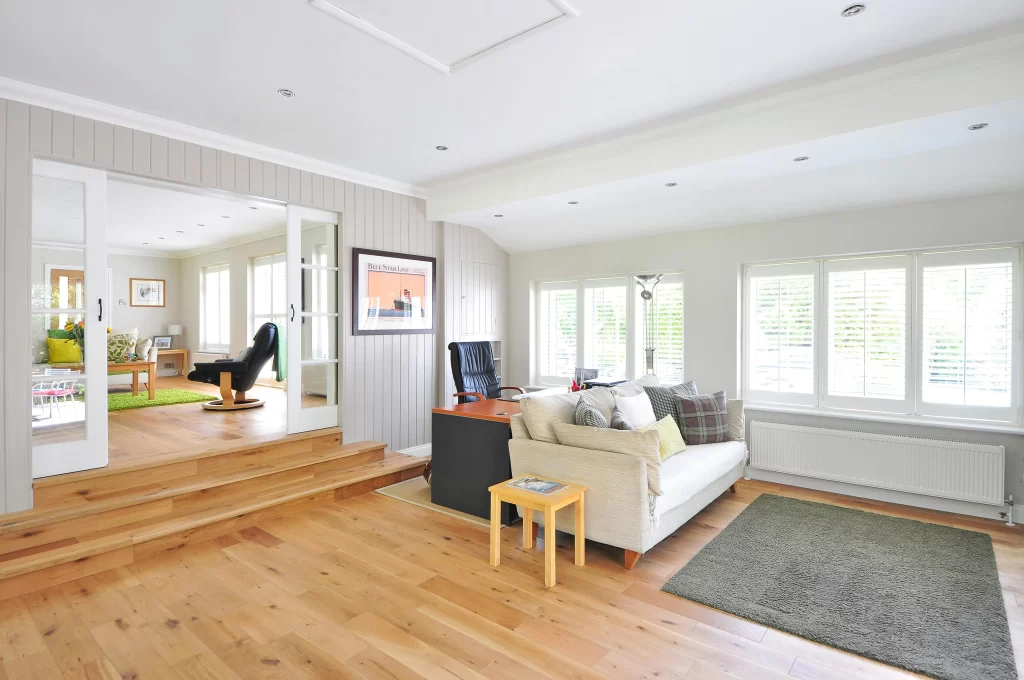
If you are dealing in land in any way, FAR does impact your financial outcome. It affects a property buyer, investor, or developer.
For buyers
It determines how the neighbourhood will develop in the future. A high FAR will lead to increased density, taller buildings, and potentially better infrastructure investment.
For investors
FAR will determine the development potential of a plot. A higher FAR can generate more rental income.
For developers
Understanding FAR limits is essential for project feasibility. It determines the maximum saleable area and, thus, the project’s profitability.
How Does FAR Impact Property Prices?
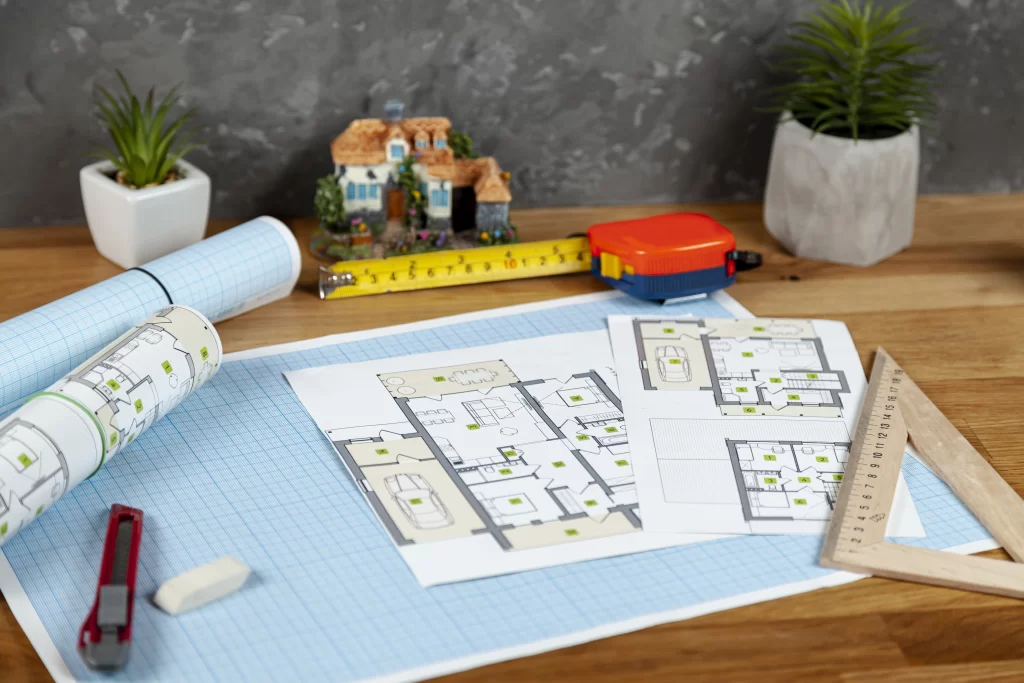
One way FAR can affect property prices is through supply economics. A high FAR will mean more buildable area. This will potentially increase housing value. A lower FAR can create an artificial scarcity, leading to higher prices.
If the FAR has imposed constraints, it will determine the way projects are developed. In areas with high FAR, buildings would be taller and vertical. In low FAR regions, developers will maximise ground area. These design differences affect the project’s amenities, parking availability, and ultimately, property prices.
Impact of FAR on Building Size, Design, and Urban Planning
FAR typically determines the following parameters for a building or any construction.
- The maximum buildable area of the plot of land.
- The number of floors that can be constructed on the given land in tune with the height restrictions.
- Building footprint with respect to open space.
- Architectural design and space utilisation.
Basically, the FAR can determine how the city’s landscape appears.
How FAR Affects Land Use, Zoning, and Property Development?
FAR can affect land use, zoning, and property development in many ways.
- Zoning classification – Municipal and corporation authorities specify different FAR values for different zones. The zones can include residential, commercial, industrial, mixed-use, and other areas. This will go a long way in creating distinct neighbourhoods with multiple development characters.
- Land use planning – FAR works along with other zoning tools like lot coverage ratios, setback requirements, and height restrictions to shape urban form.
- Feasibility of development – Developers need a clear understanding and calculations of FAR before they can buy the land and begin construction. If the FAR is too low, the development may be too scarce and unprofitable. That is why developers tend to look for properties with a higher FAR.
FAR guidelines in India
Metropolitan areas in India have varying FAR regulations. The actual FAR would largely depend on the city’s development stage, infrastructure capacity, and planning philosophy.
Here are a few cities and their FAR values –
- Delhi: FAR of 1.2 to 3.5 for most zones, up to 4.0 for redevelopment projects
- Mumbai: Island city 1.33 to 3.0 residential, suburbs up to 2.5 residential, with commercial reaching 5.0
- Bangalore: FAR between 2.4 and 4.0, with a premium FAR policy allowing up to 0.6 additional FAR on wide roads
- Gurgaon: FAR of 1.0 to 1.45 for residential (stricter than Delhi)
- Kolkata: FAR of 1.5 to 2.5, depending on building type
- Pune: FAR of 2.0 to 4,0 depending on plot size and road width, with higher FAR along metro corridors
- Thrissur, Kerala: Recently raised from 4.0 to 7.0 (October 2025) to promote vertical growth and IT park development
The variations would ideally reflect the city’s unique context. Older established cities have a lower FAR. Expanding cities like Bengaluru have a higher FAR value.
FAR Formula & FAR Calculation
Here is the formula to calculate FAR-
FAR = Total Built-up Area ÷ Gross Plot Area
Here is an example –
- Total Built-up Area: The sum of all usable floor areas across all stories of the building (measured in sq ft or sq meters)
- Gross Plot Area: The total land area of the property, including the area covered by the building and open spaces, extending to the center line of adjacent roads
Here is an example –
Let’s say you have a plot of land measuring 1,500 sq ft, and the local regulation permits a FAR of 2.0.
- Maximum Built-up Area = FAR × Plot Area
- Maximum Built-up Area = 2.0 × 1,500 sq ft
- Maximum Built-up Area = 3,000 sq ft
This means your building can have a total floor area of 3,000 sq ft across all floors. If you build a ground floor of 1,500 sq ft and a first floor of 1,500 sq ft, you’ve used your full FAR.
FAR: Residential and Commercial Properties

FAR can differ quite significantly between residential and commercial properties. These FAR values represent the different market scenarios and the development scene in the city under question.
Residential properties
Typically, these areas have a lower FAR. This is done to avoid overcrowding and maintain the open spaces. Most Indian cities have the FAR value of 1.5 to 3.0. For instance, Mumbai has a FAR of around 2.5. On the other hand, Gurugram has an FAR of 1.0 to 1.45.
Commercial properties
Commercial properties generally have a higher FAR. That means the properties allow higher and taller buildings. The FAR values in these areas can range from 3.0 to 5.0. This is because commercial properties are people-centric and have concentrated activity in a small area.
Why is this difference?
Well, residential properties focus on quality of life and open space. Commercial zones, on the other hand, prioritize economic productivity and density.
Also Read: Essential Legal Documents Required to Buy a Property in Kerala
Key Factors That Influence FAR
There are multiple factors that can influence the FAR value.
- Population density – Areas with a higher population density and limited land have a higher FAR. This would help accommodate people vertically. Areas with low population have a lower FAR.
- Infrastructure capacity – FAR depends on the existing and planned infrastructure. Regions with modern metro and other infrastructure support a higher FAR. Remote areas with limited infrastructure have lower FARs.
- Zoning regulations – Different zones come with their own FAR values. These would include residential, commercial, mixed-use, and industrial zones.
- Location and geographic constraints – Some sensitive areas have a lower FAR value. This would help preserve the natural resources and cultural character. Some examples include coastal areas, heritage zones, and environmentally sensitive areas.
- Government policies – If the area has special policies, such as Transit-Oriented Development (TOD), it can increase your FAR.
- Development Goals of the City – Cities that are expected to grow vertically can increase FAR.
Importance of Floor Area Ratio for Residential Buildings

Why is FAR so essential for residential buildings? Well, there are several factors that make floor area ratio an important element.
Open space and density
FAR determines how many residential units can be built in a given unit area. A higher FAR will mean Greater Importance of Floor Area Ratio for Residential Buildings.
Building height and aesthetics
FAR values and height restrictions are the two factors that determine whether a residential area will have 3-4-story buildings or 20+ story towers. This would invariably affect how your neighbourhood looks.
Infrastructure and amenities
Higher FAR residential areas require more infrastructure—better water systems, sewage capacity, electricity networks, and road infrastructure. The FAR decision fundamentally shapes the quality and extent of neighborhood amenities.
Read More:
Encumbrance Certificate (EC) in Kerala
Understanding Carpet Area, Built-Up Area, & Super Built-Up Area
FAR Limits in Major Cities: A Comparative Table
The table below provides an overview of the FAR limits in major cities across India.
| City | Zone Type | Base FAR | Maximum FAR (with Premium) | Key Notes |
| Mumbai (Island) | Residential | 1.33 | ~3.0-4.0 (SRA) | Island city stricter; higher FAR for slum rehab projects |
| Mumbai (Suburbs) | Residential | 1.0-2.5 | ~4.0 (SRA) | Extended suburbs have a higher FAR |
| Delhi | Residential | 1.2-2.25 | 3.5-4.0 (Redevelopment) | Uniform 3.5 FAR per revised master plan 2021 |
| Bangalore | Residential | 2.25-2.5 | ~4.0 (Premium) | 60% increase on wide roads; premium FAR policy active Feb 2025 |
| Bangalore | Commercial | 3.0-3.5 | ~4.0 (Premium) | Higher for commercial; premium FAR up to 0.6 additional |
| Gurgaon | Residential | 1.0-1.45 | 2.64+ (Premium) | Stricter than Delhi; premium FAR varies by plot size |
| Kolkata | Residential | 1.5 | 2.5 | Recently allowed extra floor; FSI raised to 3.0 |
| Thrissur (Kerala) | General | 4.0 | 7.0 (Oct 2025) | Significant recent increase to promote vertical growth |
Difference Between FAR and FSI
In fact, both FAR and FSI denote the same thing. However, the difference between them lies in how they are expressed.
FAR (Floor Area Ratio) is expressed as a decimal ratio. For example, FAR 1.5 means the building’s total floor area is 1.5 times the plot area.
FSI (Floor Space Index) is the same metric expressed as a percentage. FSI of 150% equals FAR of 1.5.
Understanding these distinctions helps you interpret municipal regulations correctly. Always clarify which metric is being used—FAR or FSI—to avoid confusion.
Key Things to Check Before Buying a Property
Before you buy any property, make sure you check a few parameters.
- Current FAR of the Zone: Confirm the exact FAR limit for the property’s location and zone type.
- Room for Redevelopment: If you’re buying land for future development, understand the current vs. potential FAR if the area is slated for a higher FAR.
- Approved vs. Permissible Area: Ensure the building’s constructed area is within permissible FAR limits. Excess construction above the FAR is a legal violation.
- Future FAR Changes: Check if the municipal corporation has proposed FAR increases (which could increase property value and density).
- Infrastructure Readiness: Verify that the area’s infrastructure can handle the current FAR. Overcrowding indicates infrastructure stress.
- Open Space Compliance: Check that the development has complied with open space requirements mandated for its FAR level.
- Building and Zoning Approvals: Ensure the property has all necessary approvals from municipal corporations and complies with the FAR at the time of construction.
Wrapping Up
Floor Area ratio is not just a technical regulation. It does have a huge impact on shaping the cities, providing the amenities and affective your real estate income. When buying a property, it is essential to understand the FAR and plan your purchase accordingly.
Looking to Build Your Dream Home? Navera Builders, being the leading builders in Thrissur specializes in creating thoughtfully designed residential and commercial projects that maximize development potential while maintaining exceptional quality of life.
Visit Navera Builders to explore your next real estate opportunity or discuss your development project with expert consultants.
FAQs
What is the difference between floor area vs lot area?
Floor Area Ratio (FAR) measures the total floor area of all stories divided by the plot area. Lot Coverage measures the ground-floor building footprint divided by the plot area. FAR accounts for height through vertical stacking, while lot coverage focuses on ground-level density.
How to calculate FAR for residential plots?
FAR for residential plots is calculated using the formula: FAR = Total Built-up Area ÷ Gross Plot Area.
Does the Floor Area Ratio include garage and parking areas?
This varies by local regulations and building type. Generally, FAR excludes basement parking and ground-level covered parking. However, some municipalities include parking areas provided above the minimum required parking.
Why does FAR vary between cities?
FAR varies between cities because each municipality has different urban planning goals, infrastructure capacity, population pressures, and geographical constraints.
What is the Gross Floor Area?
Gross Floor Area (GFA) is the total enclosed floor area of a building measured from the external walls, including all stories. GFA includes structural elements like columns and walls, utility areas, and all covered spaces.
What happens if a builder exceeds the permissible FAR?
If a builder exceeds permissible FAR, serious legal consequences follow under RERA (Real Estate Regulation and Development Act): penalties up to 10% of project cost, imprisonment up to 3 years for continued violations, structural defect liability for 5 years, project deregistration, and compensation to buyers for damages.