- NAVERA BUILDERS PVT LTD
- +91 9207601111
- info@naverabuilders.com

Understanding The Difference Between Flat Vs Apartment
Understanding The Difference Between Flat Vs Apartment
We often use the words flat and apartment interchangeably. However, it should be understood that the two terms have different meanings. In fact, the right term can impact your purchase decision and even your investment returns.
That is exactly why understanding the flat vs apartment comparison is quite essential. This comprehensive guide explores the key differences, benefits, and considerations. This would help you make an informed choice that aligns with your needs and financial objectives.
What is a flat?
A flat is a self standing residential unit within a larger multi-storey building. It typically occupies a single floor. The term “flat” originates from British English and is predominantly used in Commonwealth countries including the UK, India, Ireland, Australia, and New Zealand.
In India, the term flat refers to housing units with essential amenities designed for comfortable living without excessive luxury features.
From the structural point of view, a flat consists of a defined layout including bedrooms, a kitchen, living areas, and bathrooms. You have all of them on a single level. The flats are commonly found in residential buildings where multiple units exist under one roof. Residents share common spaces such as corridors, staircases, parking areas, and gardens.
What is an apartment?
An apartment is predominantly used in American English and increasingly adopted across India. It refers to a residential unit within a larger building designed as a complete dwelling. The apartment has a broader spectrum of living arrangements when compared to the restrictive nature of a flat.
The apartments include single-floor units, multi-level duplexes, penthouses, and studio configurations. Apartments do not just feature the basic essentials, but also the premium amenities, modern architectural designs and high quality finishes.
In the Indian context, the apartment refers to a more sophisticated, upscale living experience. They are also frequently situated within large residential complexes or gated communities offering luxury facilities such as swimming pools, gymnasiums, landscaped gardens, community centers, and concierge services.
What is the Difference Between a Flat and an Apartment?

The terms may be used interchangeably in India. However, there are several differences that all potential buyers may be interested in.
By definition
From the dictionary definition, both flat and apartment refer to a set of rooms forming individual residences. A flat is defined as “a set of rooms forming an individual residence, typically on one floor and within a larger building,” emphasizing practicality and affordability. An apartment is defined more broadly as “a set of rooms designed as a residence” within a multi-unit building, often implying upscale features and community amenities.
The linguistic distinction
The linguistic distinction refers to the colonial heritage. British English has historical influence in India, UK, Ireland and Commonwealth Nations. These countries typically use the term flat. The American English generally favour the use of the word apartment. These include the countries like US and Canada. Real estate developers frequently use “apartment” in marketing materials to evoke a sense of modernity and premium positioning, while municipal records and legal documents often retain the term “flat.”
By target group
Flat is a term that focuses on the budget-conscious homebuyers, young professionals, and families seeking affordable housing with essential amenities. They would appeal to the first time buyers as they look for accessibility over luxury.
Apartments, on the other hand, are meant for budget-conscious homebuyers, young professionals, and families seeking affordable housing with essential amenities.
By Structural/Featural Distinction
The flats have the following features
- Straightforward single-floor layout
- Essential amenities (parking, security, basic utilities)
- Simpler architectural designs
- Modest common areas
- Basic facilities such as lifts and corridors
In contrast, apartments come with the following options
- Can be single or multi-floor (including duplexes)
- Premium amenities (gyms, pools, clubhouses, concierge)
- High-end architectural designs with modern finishes
- Extensive common areas and recreational spaces
- Advanced facilities including smart locks, CCTV, visitor management systems
By storeys
Flats are generally single level units. They generally occupy one floor in a building. A floor may be divided into multiple flats. Apartments can have multiple levels or floors. Duplex apartment is a two-level apartment connected by an internal staircase. It offers larger space and a better comfort level. The maisonettes are two-storey flats with private external entrances, common in UK markets but increasingly appearing in premium Indian developments.
Also Read:
Understanding Carpet Area, Built-Up Area, & Super Built-Up Area
Top Advantages of Living in Luxury Villas
How to Find the Perfect Flat Size in Thrissur for Your Needs
Tabular Difference Between Flat and Apartment
The table below should provide you a at a glance view of the differences between flats and apartments.
| Aspect | Flat | Apartment |
| Terminology Origin | British English | American English |
| Typical Floor Count | Single floor | Single or multiple floors (including duplexes) |
| Amenities | Basic (parking, security, utilities) | Premium (gyms, pools, community halls, concierge) |
| Building Size | Smaller, standalone buildings | Larger complexes with multiple buildings/blocks |
| Units Per Floor | Usually single, smaller unit | Multiple units of varying sizes (1BHK-4BHK) |
| Luxury Level | Average to premium | Premium to ultra-luxury |
| Target Audience | First-time buyers, budget-conscious | Affluent buyers, NRIs, investors |
| Customization | Higher freedom | Limited due to shared governance |
| Maintenance Charges | ₹2-5 per sq ft/month (generally lower) | ₹3-25 per sq ft/month (generally higher) |
| Resale Value | Slower appreciation in developed areas | Faster appreciation, especially in metros |
| Perception | Practical housing | Lifestyle investment |
| Legal Structure | Cooperative society or apartment ownership | Primarily apartment ownership acts |
Benefits of Apartments & Flats in India
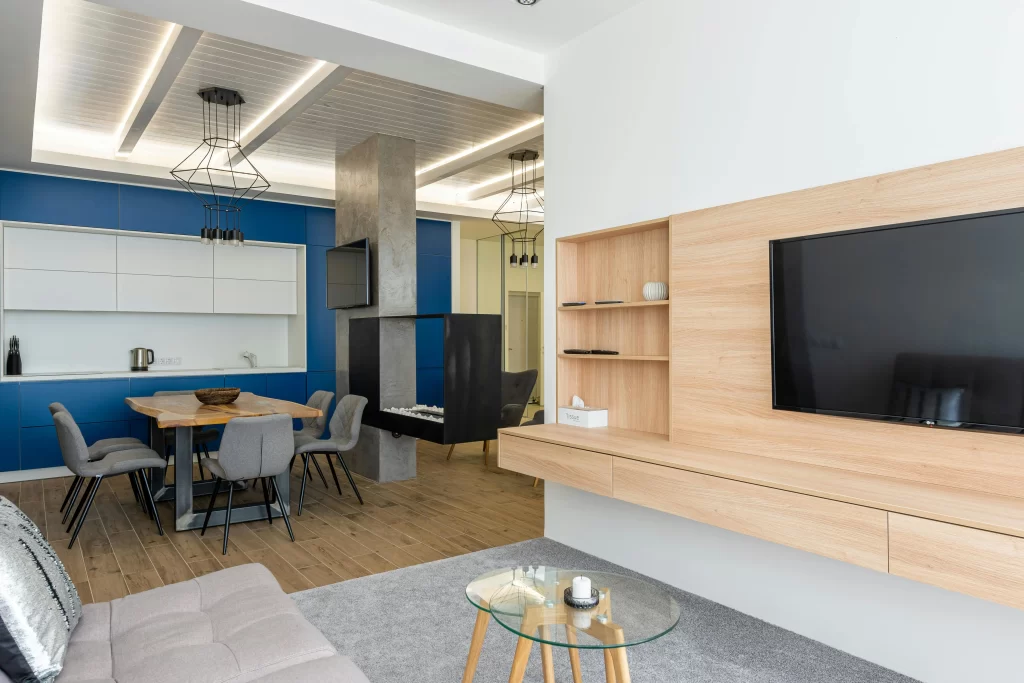
The strategic advantages offered by apartments are manyfold.
Benefits offered by the apartments
Access to amenities
Modern apartments in India offer an unparalleled amenities in India. Residents can enjoy swimming pools, state-of-the-art gymnasiums, yoga studios, children’s play areas, landscaped gardens, party halls, and sports courts. You need not opt for these services outside the gated communities.
Security
Security is a primary feature that marks the apartments. These dwellings offer protection through multiple layers. These include 24/7 security personnel, CCTV surveillance systems, controlled access gates, biometric locks, emergency alert systems, and visitor management apps.
Community and convenience
Apartment complexes provide vibrant communities where residents share common values and lifestyles. Social events, festivals, recreational activities, and neighborhood initiatives create meaningful connections among residents. Also, apartments are strategically located near essential services like schools, hospitals, shopping centers, public transportation.
Benefits offered by the flats
Here are a few benefits that you stand to gain with the flats.
Affordability
If you are a budget conscious buyer, the flats should be the most cost effective avenues for you. The flats accommodate middle-income families and first-time buyers more comfortably. That would make the flats the best choice in tier 2 and tier 3 cities.
Customisation options
Flats offer a better customisation option than the apartments. Owners can modify interiors, choose paint colors, design kitchens and bathrooms according to preferences, and alter layouts to suit specific needs.
Privacy
Flats in the smaller communities can be an excellent privacy option as opposed to the apartments in large complexes. With fewer units per floor and less density, residents experience reduced noise, fewer restrictions on guest visits, and greater independence in managing their living space.
Pros And Cons of Apartment Vs Flat in India
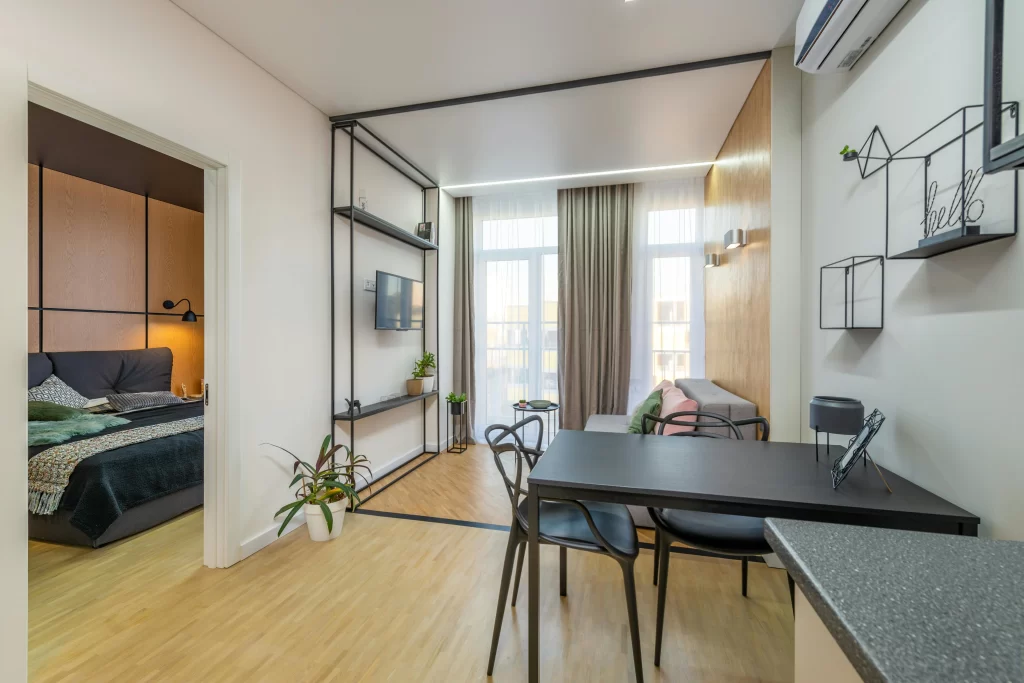
Let us explore the pros and cons of apartments and flats based on a few key parameters.
Structure
Apartments offer contemporary finishes, high-quality construction materials, and innovative floor plans. The flats, on the other hand, come with simpler designs and functional layouts. These may potentially have dated construction methods in older buildings.
Ownership
The apartments may be governed by apartment ownership acts in states like Maharashtra and Karnataka. This would provide clear individual ownership with undivided land share and straightforward inheritance rights.
Flats are governed by cooperative housing societies or apartment ownership acts, depending on state regulations, potentially affecting transfer ease and ownership clarity.
Read More: Encumbrance Certificate (EC) in Kerala: What It Is, Uses, & Application Process
Amenities
Apartments offer an extensive on-site facilities including pools, gyms, clubhouses, gardens, and premium services. The flats are limited to to basic amenities like parking and security; residents often pay additional fees for external facilities.
Lifestyle
The lifestyle in apartments is typically community oriented. There ae several social opportunities, organized events and activities. Flat, on the other hand, promote independent living, greater autonomy and minimal community obligations.
Security
Apartments offer multi layered security options. These include 24/7 guards, CCTV, access control, and emergency systems. The flats offer security arrangements, varying quality depending on building management.
Maintenance
Apartments may7 attract a higher maintenance charge. It can reach up to Rs 3 to 25 per sq.ft. the services cover premium amenities and services. Flat, on the other hand, have a lower maintenance charges. It can range between Rs 2 to 5 per sq.ft.
Resale value
Apartments appreciate faster. They have a strong resale demand – especially in metro regions. Flats may have a lower appreciation.
Read More: How to Increase Resale Value of Apartments?
Investment appeal
The apartments are preferred by investors for better rental returns, particularly among corporate tenants and NRIs; ₹1.5 crore+ segment showing 19-20% value growth in 2026. Flats can be a suitable investment for long term investment in underdeveloped areas.
Also Read: NRI Real Estate Investment Guide
Privacy
Neighbors may be in close proximity in apartments. There are shared corridors and common areas. In flats, you can have a better privacy with smaller buildings.
Cost
Apartments come with a higher purchase cost. They also need a higher maintenance and additional amenity charges. The flats may have a lower purchase price and lower maintenance. They are extremely budget friendly for cost conscious buyers.
Customisation
Apartments may have limited customization options. The community guidelines may prevent it. Flats provide a greater freedom in terms of customisation.
Tax benefits
Both the options offer the similar tax benefits. You can get home loan deductions, capital gain deductions and HRA exemption. The taxation remains the same across both flats and apartments.
Also Read: Home Loan Tax Deductions
Market Trends for Flats vs Apartments
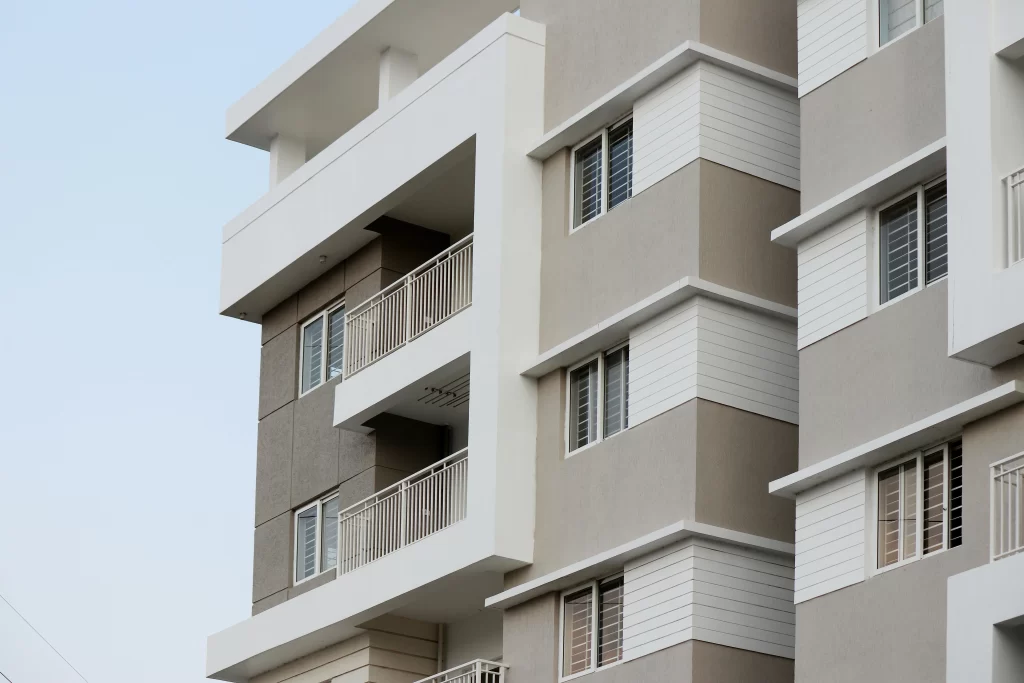
Well, as long as market trends are concerned, both flats and apartments are in equal demand. The choice typically depends on lifestyle, location, and affordability.
The real estate industry is growing consistently with the acquisition of the new lands and launch of projects. Even the luxury living is evolving quite consistently. Real estate firms like Navera Builders have been on the forefront in making this possible.
The shift is being felt in terms of sustainability and eco friendly building construction. The focus is shifting towards the use of renewable energy, efficient waste management, and environmentally conscious construction.
Read More: 15 Real Esatate Documents Required to Buy a Property in Kerala
Key considerations in 2026
The prime considerations in 2026 have been on the following pointers –
Investment
The premium living spaces have been on the growth. In fact, there has been a focus on apartments in premium locations. Residential apartments in gated communities have become one of the top choices for investment.
Customisation
If you focus on customisation, flats should be the perfect pick for you. They offer you design freedom. Flats provide a middle ground—ready-to-move with modest customization options. Apartments offer least customization.
Legal framework
The Real Estate (Regulation and Development) Act, 2016 (RERA) standardizes apartments and flats. State-specific Apartment Ownership Acts in Maharashtra and Karnataka provide additional safeguards through defined ownership structures and clear transfer mechanisms.
Amenities You Want in Your Residence Regardless of whether it’s a Flat or Apartment
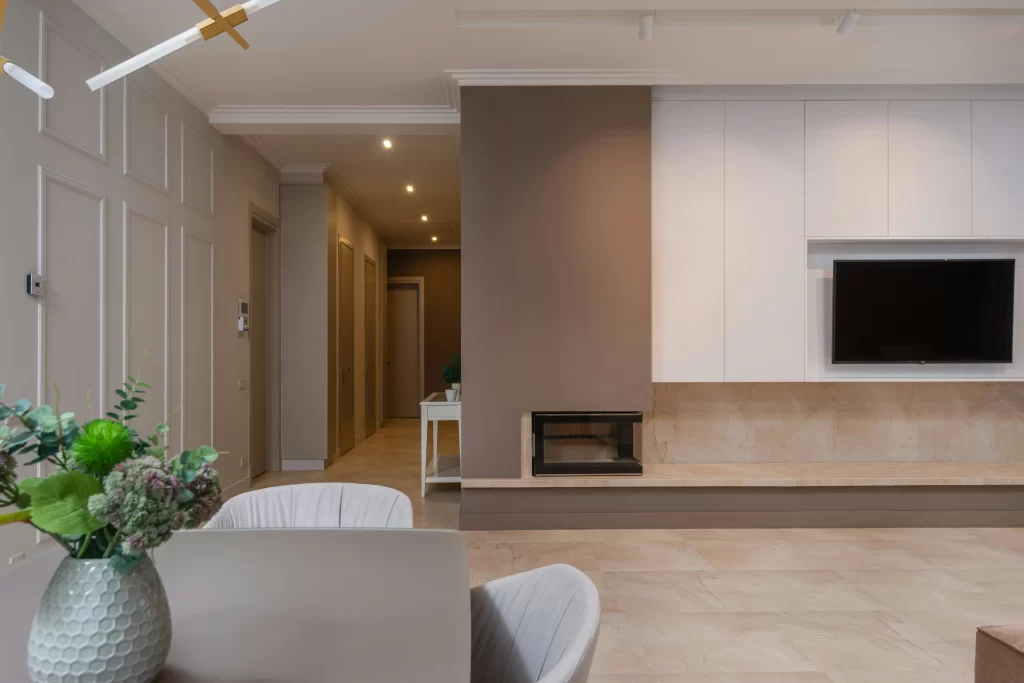
There are a few essential factors that you should focus when choosing new apartments.
Transportation and parking
Since vehicle ownership has become prevalent in India, transportation and parking are a fw important parameters to consider. Visitor parking areas should accommodate guest vehicles comfortably. EV charging is yet another important consideration.
Security
24/7 surveillance through CCTV cameras in common areas, controlled-access gates, trained security personnel, emergency alarm systems, and digital intercom are a few prime factors that you should look for. For families, robust security provides irreplaceable peace of mind.
Communication with Builder/Society
Transparent governance, regular society meetings, accessible builder/society representatives, and clear maintenance charge breakdowns are some of the essential factors you should primarily focus on.
What Should You Purchase – Flat or Apartment?
Your choice should depend on multiple factors.
Budget considerations
- Choose a flat if – Your budget is constrained. It can be a good option if you prioritise affordability.
- Choose apartment if – You can afford premium pricing. It can be a good choice if you are looking for long term investments.
Lifestyle expectations
- Choose a flat if – You prefer privacy, independence, minimal community obligations, and the flexibility to modify your living space.
- Choose an apartment if – You want community living, organised social events, and readily available amenities.
Location
- Choose a flat if – You are interested emerging neighbourhoods. They offer good investment potential.
- Choose an apartment if – You prioritize established, well-developed neighborhoods with stable property values, excellent connectivity, proximity to employment centers, and proven rental demand.
Maintenance Cost Planning
- Choose a flat if – You want a flexibility in monthly maintenance.
- Choose an apartment if – You’re prepared for higher maintenance costs (₹3-25 per sq ft) covering premium amenities, services, and lifestyle features.
Also Read:
Fair Value of Land in Kerala – A Complete Guide
GST for Construction & Building Materials
Conclusion
Choosing between the flats and apartments can be one of the difficult tasks. Flats offer affordability, customization freedom, and privacy—ideal for budget-conscious buyers and those valuing independence.
As you move on your property purchase journey, remember that both flats and apartments can represent sound investments when chosen strategically. The key is to partner with the reputed builders who understand what their customers are searching for.
Navera Builders specializes in residential projects that blend affordability with modern amenities, quality construction with transparent governance, and investment potential with lifestyle enhancement. Visit Navera Builders to explore residential options tailored to your specific requirements and aspirations.
FAQs
Are apartments cheaper than flats?
No. Apartments typically command 30-40% premium pricing compared to flats due to luxury amenities, modern construction, and location advantages in established neighborhoods.
What is the difference between a flat and a condo?
In India, “condo” terminology is less common. In the US, condos involve individual ownership of units with collective responsibility for common areas. In India, flats and apartments can operate under cooperative societies (collective management) or apartment ownership acts (individual ownership with defined land share).
Is a flat bigger than an apartment?
Not necessarily. Flat and apartment sizes vary independently of terminology. A 2BHK flat may be larger than a 1BHK apartment. Size depends on carpet area, configuration, and building design rather than whether the property is labeled a flat or apartment.
Does an apartment have a higher maintenance cost?
Yes. Apartments typically charge ₹3-25 per sq ft monthly, while flats charge ₹2-5 per sq ft, reflecting apartment amenities, services, and premium management.
How do I decide if I should buy a flat or an apartment?
Your decision should rely upon budget, lifestyle and location. Align your choice with these priorities and long-term objectives.
What is a flat with 2 floors called?
A flat spanning two levels is called a duplex or maisonette. A duplex features two levels connected by internal stairs within a multi-unit building.